Album
Release Date
Difficulty
Genre
Lyrics Breakdown
Lyrics Preview & Meaning
“Next Stop” by IU is a poetic K-pop ballad (from the album Pieces, released on 2021‑12‑29) that uses travel and waiting metaphors to express longing, hope, and the anticipation of reunion.
Below is a preview of the lyrics with translation and notes. The full interactive breakdown will load shortly.
다음 정거장에서 만나게 될까
daeum jeonggeojangeseo mannage doelkka
Will I meet you at the next stop?
'정거장' means 'stop' or 'station', often used for bus or subway stops. '될까' is a question ending expressing wonder or hope.
그리워했던 얼굴을
geuriwohaetdeon eolgureul
The face I missed
'그리워하다' means 'to miss' or 'to long for'. '얼굴' is 'face'.
다음 파란불에는 만나게 될까
daeum paranbureneun mannage doelkka
Will I meet you at the next green light?
'파란불' literally means 'blue light', but in Korea, it refers to the green traffic light.
그리곤 했던 풍경을
geurigon haetdeon punggyeongeul
The scenery I used to long for
'풍경' means 'scenery' or 'landscape'. '그리곤 하다' is a pattern meaning 'used to do' or 'would often do'.
해는 정해진 시간에 떨어지고
haeneun jeonghaejin sigane tteoreojigo
The sun sets at its appointed time
'떨어지다' means 'to fall' or 'to set' (as in the sun). '정해진 시간' means 'appointed/fixed time'.
…full lyrics and detailed vocabulary will appear below once loaded.
Artist Spotlight
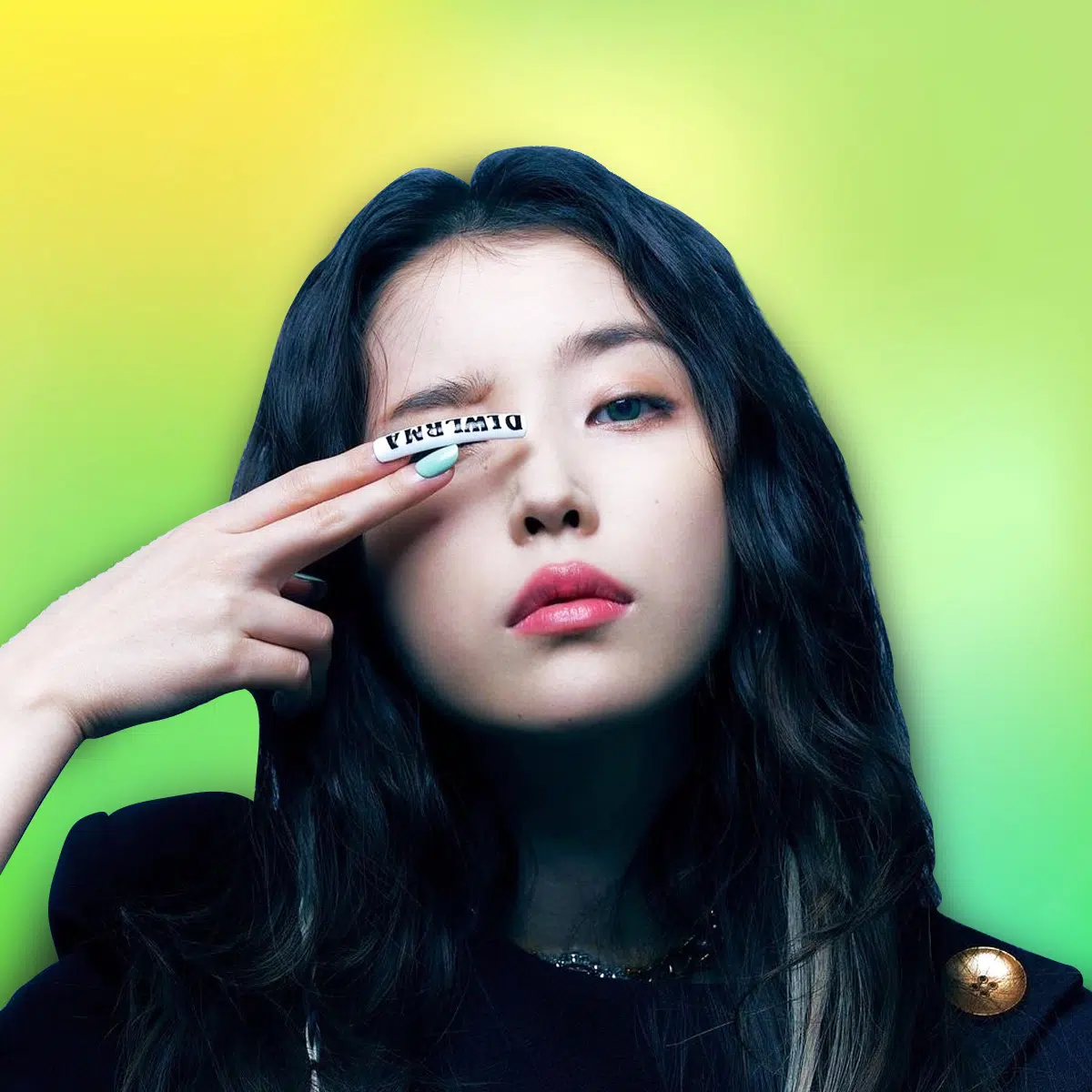
Debuted: 2008
IU (Lee Ji-eun) is a South Korean singer-songwriter and actress known for her versatile musical style and emotional ballads. She has established herself as one of Korea's most successful solo artists with hits like "Good Day" and "Through the Night".
- Real Name: Lee Ji-eun (이지은)
- Fandom: Uaena
- First female solo artist to achieve a Perfect All-Kill
Cultural Notes
Metaphors of Travel and Waiting
"Next Stop" uses the imagery of bus stops, green lights, and travel as metaphors for longing, hope, and the passage of time. These motifs are common in Korean ballads, symbolizing life's journey and the anticipation of reunion.
Onomatopoeia in Korean Lyrics
The song features onomatopoeic words like "투둑투둑" (tuduktuduk), mimicking the sound of raindrops. Such expressions are frequently used in Korean music and poetry to evoke vivid sensory experiences.
The Significance of "정거장" (Stop/Station)
The word "정거장" (jeonggeojang) refers to a bus or subway stop and is used symbolically in the song to represent moments of pause, waiting, and the hope of meeting someone again.
Korean Phrase Corner
정거장 means "stop" or "station" in Korean.
Example from the song: 다음 정거장에서 만나게 될까 (Will I meet you at the next stop?)